現在、以下を表示しています Steel Fencing for Importers: Specifications, Custom Options, and Sourcing Guide

輸入業者向けスチールフェンス:仕様、カスタマイズオプション、調達ガイド

Steel fencing is widely used for residential boundaries, commercial properties, industrial sites, public infrastructure, farms, schools, logistics areas, and security-sensitive locations. For importers, wholesalers, brand owners, project contractors, and distributors, choosing the right steel fencing product is not only about price. It also involves material selection, surface treatment, panel design, packaging, delivery planning, and consistent quality control.

This guide explains the key factors global buyers should evaluate when sourcing steel fencing for different markets such as the United States, Germany, the United Kingdom, the Middle East, and Southeast Asia. It is designed to help B2B buyers prepare clearer specifications, reduce sourcing risks, and request accurate quotations from suppliers.

What Is Steel Fencing and Where Is It Used?
Steel fencing refers to fencing systems made primarily from steel tubes, steel wires, steel bars, steel sheets, or welded steel structures. Depending on the design, it can be used for decorative boundaries, perimeter protection, anti-climb security, garden fencing, commercial enclosures, or large-scale infrastructure projects.

Common applications include:

Residential garden and yard fencing
Commercial property fencing
Industrial facility perimeter protection
School, park, and public area fencing
Warehouse and logistics center fencing
Roadside, railway, and infrastructure fencing
Farm, ranch, and agricultural fencing
Temporary or permanent project fencing
For B2B procurement, the most suitable fencing type depends on the installation environment, security level, expected service life, local design preferences, and budget.

Main Types of Steel Fencing for B2B Procurement
Steel fencing is available in different structures and styles. Buyers should define the product type clearly before requesting a quotation.

Welded Steel Fence Panels
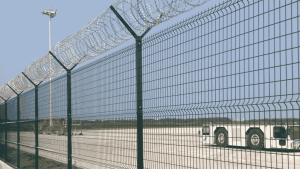
Welded steel fence panels are made by welding steel wires or steel bars into a rigid panel structure. They are commonly used for perimeter protection, commercial areas, schools, parks, and public facilities.

Typical advantages include stable structure, clean appearance, easy installation, and flexible customization in height, width, wire diameter, mesh opening, and surface finish.

Tubular Steel Fencing
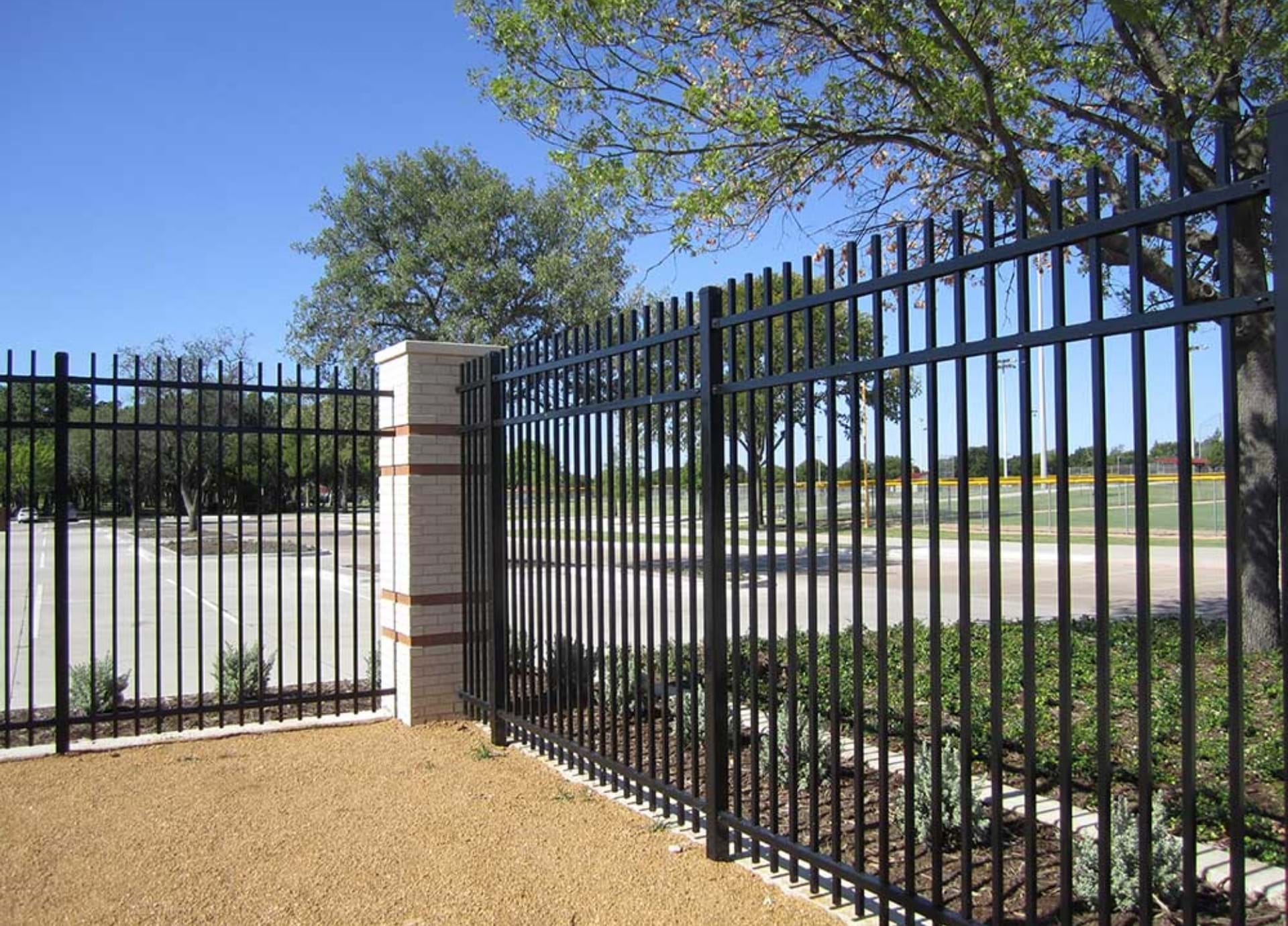
Tubular steel fencing is often used for residential, commercial, and decorative applications. It usually consists of vertical steel pickets, horizontal rails, posts, and accessories.

This type of steel fencing is popular in markets where appearance, durability, and boundary protection are equally important. Designs may include flat top, spear top, loop top, or customized decorative styles.

Security Steel Fence
Security steel fence systems are designed for areas requiring stronger perimeter protection. They may use closer spacing, anti-climb mesh, stronger posts, reinforced rails, or additional security accessories.

Applications may include factories, warehouses, utilities, logistics centers, and restricted areas. Buyers should communicate the required security level, installation environment, and local standards if applicable.

Galvanized and Powder Coated Steel Fence
Galvanized steel fencing offers improved corrosion resistance, while powder coated steel fence products provide additional surface protection and color options. In many projects, both processes are used together to enhance durability and appearance.

Surface treatment is one of the most important factors affecting long-term performance, especially for outdoor applications, coastal areas, high-humidity climates, and hot regions.

Key Specifications to Confirm Before Ordering Steel Fencing
Clear specifications help avoid misunderstanding, quotation delays, and quality disputes. When sourcing steel fencing, buyers should prepare as many details as possible.

Material and Steel Grade
Steel fencing can be produced from different steel materials depending on the product design and application. Buyers should confirm whether the product uses steel wire, steel tube, steel bar, steel plate, or a combined structure.

If your market or project requires a specific steel grade, it should be stated in the inquiry. If not, the supplier can recommend a suitable option based on use, surface treatment, and budget.

Fence Height and Panel Width
Fence height and panel width affect material cost, packing method, container loading, and installation efficiency. Common dimensions vary by product type and target market.

For wholesale and distribution, buyers may prefer standard sizes that are easy to stock and sell. For engineering projects, dimensions are often customized according to site drawings and installation requirements.

Wire Diameter, Tube Size, or Bar Thickness
For welded mesh fencing, important specifications include wire diameter, mesh opening, panel length, and reinforcement bends if required. For tubular steel fencing, tube size, wall thickness, picket spacing, and rail size are key factors.

A small change in thickness or diameter can affect strength, weight, price, and container loading quantity. Therefore, these details should be confirmed before production.

Surface Finish
Common surface treatment options for steel fencing include:

Hot-dip galvanizing
Pre-galvanized material
Electro-galvanizing
Powder coating
Galvanized plus powder coated finish
Different finishes suit different environments and cost requirements. Buyers should consider climate, corrosion exposure, color preference, expected service life, and local buyer expectations.

Posts, Fittings, and Installation Accessories
A complete steel fencing system usually includes panels, posts, clamps, brackets, bolts, caps, base plates, or other accessories. For project procurement, matching accessories are essential for smooth installation.

When sending an inquiry, buyers should specify whether they need fence panels only or a complete system with posts and fittings.

Custom Steel Fence Panels for Brands, Distributors, and Projects
Many B2B buyers require custom steel fence panels to match local market needs, brand positioning, or project specifications. Customization may include dimensions, color, surface finish, panel structure, logo labels, packaging, and accessory combinations.

Customization Options
Possible customization options include:

Fence height and panel width
Mesh opening or picket spacing
Wire diameter, tube size, or wall thickness
Post type and installation method
Surface treatment and coating color
Top design, decorative pattern, or anti-climb structure
Packaging method for retail or bulk shipment
Labeling and product documentation
For brand owners and distributors, consistent appearance and packaging are important. For project buyers, installation compatibility and specification accuracy are usually the main priorities.

OEM and Private Label Considerations
If you plan to sell steel fencing under your own brand, it is helpful to provide brand guidelines, packaging requirements, color codes, and labeling rules in advance. The supplier can then review feasibility and prepare a more accurate production plan.

For new product development, buyers may also request drawings, sample confirmation, or prototype discussion before mass production.

Quality Control Points for Steel Fencing Orders
Quality control is a key concern for importers, wholesalers, and project procurement teams. Steel fencing is usually bulky and expensive to rework after arrival, so inspection should focus on both appearance and structural consistency.

Material and Dimension Checks
Before shipment, key dimensions should be checked against the confirmed order requirements. These may include panel size, post length, wire diameter, tube size, thickness, mesh spacing, hole position, and accessory compatibility.

Accurate dimensions help ensure that the fencing system can be installed correctly on site.

Welding and Structural Inspection
For welded steel fencing, welding quality affects product strength and appearance. Buyers should pay attention to welding consistency, joint strength, alignment, and surface smoothness.

For tubular steel fencing, straightness, frame alignment, rail connection, and picket spacing should be checked carefully.

Surface Treatment Inspection
Surface finish should be even, clean, and suitable for outdoor use. For powder coated steel fence products, buyers should check color consistency, coating coverage, surface defects, and protection of edges or welded areas.

For galvanized steel fencing, the coating should be visually consistent and appropriate for the agreed production method.

Packing Inspection
Steel fencing is heavy and can be damaged by friction during loading and transport. Proper packing helps reduce scratches, deformation, and coating damage.

Packing methods may include pallets, metal frames, plastic film, cardboard protection, straps, or customized export packing depending on product type and buyer requirements.

MOQ, Lead Time, and Export Packing Considerations
For global steel fencing procurement, MOQ, lead time, and packing method can vary depending on product type, customization level, surface finish, and order quantity.

MOQ for Steel Fencing
MOQ may depend on raw material availability, production setup, color customization, and packing requirements. Standard products usually offer more flexible ordering options, while customized steel fencing may require higher order quantities.

Buyers are encouraged to share estimated annual demand or trial order plans so the supplier can recommend a practical purchasing solution.

Lead Time Planning
Lead time can be influenced by material preparation, welding, surface treatment, packing, and shipping schedule. Customized colors, special specifications, or large project orders may require additional preparation time.

To avoid delays, buyers should confirm drawings, samples, colors, labels, and packing details before production begins.

Export Packing and Container Loading
Steel fencing products are usually shipped by sea due to their size and weight. Efficient packing helps improve container utilization and reduce damage risk.

Buyers should discuss:

Panel stacking method
Post and accessory packing
Protection between coated surfaces
Pallet or frame requirements
Loading plan for mixed products
Marking and labeling needs
Good export packing is especially important for wholesalers and distributors who need products to arrive in sellable condition.

How to Choose a Steel Fence Supplier for Global Sourcing
Choosing the right steel fence supplier is important for stable quality, predictable delivery, and long-term cooperation. Buyers should evaluate more than unit price.

Technical Communication
A reliable supplier should be able to understand drawings, specifications, application scenarios, and market requirements. Clear communication helps reduce errors and improves quotation accuracy.

If you are not sure which steel fencing design is suitable, provide photos, sketches, target price range, and installation environment. The supplier can then suggest workable options.

Manufacturing and Sourcing Capability
For international trade orders, buyers often need flexible sourcing support, product comparison, customization coordination, packing solutions, and shipment preparation.

A supplier with experience in handling export orders can help manage technical details, documentation, product matching, and delivery communication more efficiently.

Quality Documentation
Even if no verified certification is available, buyers can still request practical quality documents such as product specifications, photos, packing details, inspection records, material information, or pre-shipment inspection support.

For project orders, it is recommended to confirm all technical details in writing before production.

Steel Fencing for Different Target Markets
Different markets have different preferences for steel fencing design, coating, packing, and documentation.

United States
Buyers in the U.S. market may focus on residential fencing, commercial perimeter fencing, ranch or farm fencing, and project supply. Strong packaging, stable dimensions, and market-ready product presentation are important for distributors and wholesalers.

Germany and the United Kingdom
European buyers often pay close attention to appearance, coating quality, installation compatibility, and product consistency. Clear specifications and professional documentation are useful during procurement discussions.

Middle East
For Middle Eastern markets, outdoor durability and corrosion resistance are important due to heat, dust, and harsh environments. Powder coated and galvanized steel fencing options are commonly considered for long-term outdoor use.

Southeast Asia
In Southeast Asia, buyers may require cost-effective steel fencing solutions for residential, commercial, industrial, and infrastructure applications. Moisture resistance, flexible specifications, and efficient shipping are often key concerns.

Recommended Inquiry Checklist for Steel Fencing Buyers
To receive an accurate quotation, buyers should provide the following information when contacting a steel fencing supplier:

Product type: welded fence, tubular fence, security fence, or other design
Application: residential, commercial, industrial, agricultural, or project use
Fence height and panel width
Wire diameter, tube size, thickness, or mesh opening
Post type and installation method
Surface treatment: galvanized, powder coated, or combined finish
Color requirement, if any
Quantity or estimated order volume
Destination market or port
Packaging requirements
Need for samples, catalog, drawings, or custom design support
The more complete the inquiry, the faster the supplier can provide a suitable quotation and technical recommendation.

FAQ: Steel Fencing Sourcing Questions
1. What is the best surface treatment for outdoor steel fencing?
For outdoor use, galvanized steel fencing, powder coated steel fence products, or a combination of galvanizing and powder coating are commonly selected. The best option depends on climate, corrosion exposure, budget, and expected appearance.

2. Can steel fencing be customized for different markets?
Yes. Steel fencing can usually be customized in height, width, wire diameter, tube size, spacing, color, surface finish, post type, and packaging. Buyers should provide target market requirements and application details for better recommendations.

3. What information is needed to get a steel fencing quotation?
A useful inquiry should include product type, dimensions, material requirements, surface finish, quantity, destination market, packaging needs, and application scenario. Drawings or reference photos are also helpful.

4. Is steel fencing suitable for commercial and industrial security?
Yes. Steel fencing is widely used for commercial and industrial perimeter protection. For higher security needs, buyers may consider reinforced structures, closer spacing, anti-climb designs, stronger posts, or customized security fence systems.

5. Can I order steel fence panels with posts and accessories?
Yes. Steel fencing can be supplied as panels only or as a complete system with posts, clamps, brackets, bolts, caps, and other accessories. It is recommended to confirm the installation method before ordering.

6. How should steel fencing be packed for export?
Export packing depends on product type and order requirements. Common options include pallet packing, metal frame packing, protective film, cardboard separation, straps, and accessory cartons. Proper packing helps reduce scratches and deformation during transport.

7. Can I request samples before placing a bulk order?
Sample availability depends on product design, customization level, and current stock or production schedule. Buyers can request samples, material photos, color samples, or product drawings before confirming a larger order.