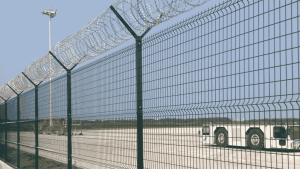

Las vallas de aislamiento para talleres se utilizan ampliamente en fábricas, almacenes, centros logísticos y talleres de producción para separar las zonas de trabajo, proteger los equipos, canalizar el movimiento del personal y mejorar la gestión de la seguridad en las instalaciones. Para los importadores, mayoristas, equipos de ingeniería y aprovisionamiento, y distribuidores industriales, elegir la solución de vallado adecuada no es solo una cuestión de precio, sino que también tiene que ver con la resistencia del material, el diseño de los paneles, la eficiencia en la instalación, la personalización, el embalaje y la estabilidad del suministro a largo plazo.
Como socio comercial global en el sector de la seguridad industrial y los productos de separación para talleres, ofrecemos a los compradores B2B opciones de abastecimiento flexibles para proyectos de vallas de aislamiento en talleres. Tanto si necesitas paneles de valla de malla de acero para zonas de maquinaria, barreras modulares para zonas de almacén o vallas a medida para la separación de líneas de producción, podemos ayudarte a encontrar las soluciones de producto adecuadas a los requisitos de tu proyecto.
Por qué es importante la valla de aislamiento de los talleres para las instalaciones industriales
En los talleres modernos, es fundamental que exista una separación clara entre las personas, las máquinas, los materiales y las zonas restringidas. Una valla de aislamiento para talleres, correctamente diseñada, contribuye a reducir los accesos innecesarios, a organizar el flujo de producción y a crear entornos de trabajo más seguros.
Entre sus usos más habituales se encuentran:
Separación de las líneas de producción de los pasillos peatonales
Aislamiento de las zonas de funcionamiento de la maquinaria y los equipos
Separación de las zonas de materias primas, productos semiacabados y productos acabados
Protección de las zonas de mantenimiento o inspección
Creación de zonas de seguridad temporales o permanentes
Mejora de la gestión visual en talleres y almacenes
Para los compradores y distribuidores del sector de la ingeniería, las vallas para talleres suelen formar parte de un proyecto más amplio de seguridad en la fábrica, gestión de almacenes o renovación industrial. Por lo tanto, el producto debe ser práctico, duradero, fácil de instalar y adecuado para diferentes distribuciones de las instalaciones.
Taller sobre opciones de vallas de aislamiento para proyectos B2B
Las distintas instalaciones industriales requieren diferentes estructuras de vallado. Una solución estándar puede ser adecuada para la división general del espacio, mientras que pueden ser necesarios diseños a medida para la protección de la maquinaria o para zonas de producción con espacio limitado.
Paneles de valla de malla de acero
Los paneles de valla de malla de acero son una de las opciones más habituales para los sistemas de vallas de seguridad industrial. Ofrecen visibilidad al tiempo que mantienen la separación física. Los trabajadores y los supervisores pueden seguir observando la zona protegida sin necesidad de entrar en ella.
Entre las aplicaciones típicas se incluyen:
Zonas de protección de las máquinas
Zonas de equipos robóticos o automatizados
Tabiques para talleres
Barreras de seguridad para almacenes
Aislamiento de la línea de producción
Los paneles de malla de acero pueden diseñarse con diferentes diámetros de alambre, aberturas de malla, estructuras de marco y tratamientos superficiales, en función de los requisitos del proyecto.
Sistema modular de vallas de seguridad
Un sistema modular de vallas de seguridad es ideal para aquellos clientes que necesiten una instalación flexible y la posibilidad de realizar ajustes en el futuro. Los paneles, los postes, los conectores y las puertas se pueden combinar según la distribución del taller.
Este tipo de sistema suele elegirse para:
Fábricas con disposiciones de producción variables
Almacenes que requieren zonas ajustables
Proyectos de protección de equipos
Distribuidores industriales que abastecen a múltiples usuarios finales
Las vallas modulares pueden ayudar a reducir la complejidad de la instalación y facilitar el mantenimiento o el traslado en el futuro.
Valla divisoria de fábrica
Una valla divisoria de fábrica se utiliza para separar las distintas zonas de trabajo dentro de la planta. Puede emplearse para el almacenamiento de materiales, las zonas de productos terminados, las zonas de inspección o las zonas de acceso restringido.
Los compradores suelen tener en cuenta:
Altura de la valla y anchura de los paneles
Sentido de apertura de las puertas de acceso
Visibilidad y circulación del aire
Compatibilidad con las condiciones del suelo
Color de seguridad y acabado de la superficie
En el caso de compras al por mayor o pedidos relacionados con proyectos concretos, se pueden acordar las dimensiones y el embalaje a medida antes de iniciar la producción.
Materiales clave y acabados superficiales
La elección de los materiales influye directamente en la durabilidad, el aspecto y la idoneidad para cada aplicación del producto. A la hora de adquirir vallas de aislamiento para talleres, los compradores suelen comparar la resistencia, la resistencia a la corrosión, las necesidades de mantenimiento y el coste total del proyecto.
Opciones habituales de materiales
Los productos de vallado para talleres pueden estar fabricados con malla de alambre de acero, estructuras soldadas, tubos cuadrados u otras estructuras metálicas, dependiendo del diseño. El acero se utiliza habitualmente porque ofrece una buena resistencia y es adecuado para entornos industriales.
Al solicitar un presupuesto, se recomienda a los compradores que faciliten:
Altura mínima de la valla
Ancho del panel
Tamaño de malla o preferencia de abertura
Diámetro del alambre o grosor del marco
Tipo de poste y diseño de la placa base
Requisitos de acceso
Condiciones de uso en interiores o al aire libre
Si su proyecto requiere un tipo de material específico o un plano técnico, se podrá revisar durante la fase de presupuesto.
Opciones de tratamiento de superficies
El acabado superficial es importante tanto para el aspecto como para la vida útil. Entre las opciones más habituales se encuentran el recubrimiento en polvo, la pintura o el galvanizado, en función del diseño del producto y del entorno de aplicación.
Los paneles de valla de aislamiento para talleres con recubrimiento en polvo se utilizan a menudo en zonas industriales interiores, ya que aportan un aspecto limpio y permiten elegir entre diferentes colores. Se pueden considerar opciones de superficie galvanizada o antioxidante cuando la valla se utiliza en entornos con mayor humedad o en condiciones de mayor desgaste.
La selección de colores también puede contribuir a la gestión visual del taller. Por ejemplo, se pueden utilizar colores vivos para señalizar zonas de seguridad, áreas restringidas o zonas de funcionamiento de la maquinaria.
Valla de aislamiento a medida para talleres, para diferentes aplicaciones
Cada recinto industrial tiene unos requisitos distintos. Es posible que los paneles de valla estándar no se adapten a todas las configuraciones, sobre todo cuando hay máquinas, cintas transportadoras, estanterías de almacenamiento o pilares de edificios. Una solución de vallado a medida para talleres puede ayudar a los compradores a adaptarse con mayor precisión a las condiciones del recinto.
Especificaciones personalizables
La personalización puede incluir:
Altura y anchura del panel
Tamaño de la malla
Perfil y grosor del marco
Dimensiones del poste
Diseño de la placa base
Tamaño de la puerta y tipo de cerradura
Color y acabado de la superficie
Método de envasado
Requisitos de etiquetado o específicos del comprador
Para los importadores, mayoristas, propietarios de marcas y distribuidores, los productos personalizados pueden adaptarse a diferentes posicionamientos de mercado y necesidades de los clientes.
Asistencia en el diseño basada en aplicaciones
Una valla de aislamiento para un taller debe diseñarse en función de su uso. Una valla destinada a la protección de maquinaria puede requerir paneles más resistentes y un control de acceso seguro. Una valla destinada a la separación de espacios en un almacén puede centrarse más en la visibilidad, la rapidez de instalación y la disposición modular.
Entre los casos de uso más habituales se encuentran:
Talleres de fabricación
Líneas de montaje
Zonas de protección de la maquinaria
Zonas de almacenamiento del almacén
Áreas de clasificación logística
Zonas de mantenimiento de equipos
Zonas de acceso restringido
Emplazamientos de proyectos industriales
Antes de confirmar un pedido, los compradores pueden enviar planos, fotos, esquemas de distribución o requisitos de instalación. Esto ayuda a garantizar que el presupuesto y la configuración del producto se adapten al proyecto concreto.
Puntos de control de calidad para la adquisición de vallas de seguridad industrial
Para los compradores B2B, la uniformidad de la calidad es fundamental. Las vallas de aislamiento para talleres suelen encargarse por lotes para su instalación en amplias zonas de trabajo, por lo que es necesario comprobar minuciosamente las dimensiones de los paneles, la calidad del recubrimiento, los puntos de soldadura y los accesorios.
Puntos importantes de la inspección
El control de calidad puede centrarse en:
Tamaño y tolerancia del panel
Resistencia de la soldadura y acabado
Alineación de mallas
Planicidad del bastidor
Aspecto del recubrimiento superficial
Uniformidad del color
Estructura del poste y la placa de base
Función de apertura y cierre de la puerta
Completitud de los accesorios
Estado del embalaje antes del envío
En el caso de los pedidos de proyectos, los compradores pueden solicitar fotografías de los productos, del embalaje o detalles de la inspección antes del envío. Una comunicación clara antes de la producción ayuda a reducir los malentendidos y mejora la eficiencia en la entrega.
Por qué es importante la coherencia
En los proyectos de vallado industrial, las dimensiones irregulares de los paneles o la falta de accesorios pueden retrasar la instalación. Esto es especialmente importante para los compradores extranjeros, ya que el envío de las piezas de recambio puede tardar algún tiempo.
Para facilitar la ejecución del proyecto, los compradores deben confirmar todos los detalles técnicos antes de realizar el pedido, incluidos los planos, las especificaciones, la lista de embalaje y los accesorios de instalación.
Cantidad mínima de pedido, plazo de entrega, embalaje y aspectos relacionados con la exportación
A la hora de adquirir vallas de aislamiento para talleres a proveedores extranjeros, los compradores suelen necesitar información clara sobre la cantidad mínima de pedido, el plazo de producción, el método de embalaje y las condiciones de envío.
Cantidad mínima de pedido y cantidad del pedido
La cantidad mínima de pedido (MOQ) puede variar en función del tipo de producto, el nivel de personalización, el material y el acabado superficial. Los diseños estándar suelen admitir cantidades de pedido más flexibles, mientras que los paneles personalizados, los colores especiales o los accesorios exclusivos pueden requerir una evaluación específica para cada proyecto.
Para que podamos ofrecerle un presupuesto preciso, le rogamos que nos facilite:
Cantidad necesaria
Tamaño del panel y altura de la valla
Número de postes y puertas
Preferencia en cuanto al tratamiento de superficies
Mercado de destino
Requisitos de embalaje
Calendario del proyecto
Esta información permite calcular con mayor precisión el consumo de material, la planificación de la producción, el volumen de embalaje y los gastos de envío.
Planificación de los plazos de entrega
El plazo de entrega depende de la cantidad del pedido, los requisitos de personalización y el calendario de producción. Para proyectos urgentes, se recomienda confirmar las especificaciones con antelación y prever tiempo suficiente para la revisión de las muestras, la producción, el embalaje y el transporte internacional.
Para los distribuidores y los equipos de ingeniería y compras, una planificación periódica de las compras puede ayudar a mantener el nivel de existencias y a reducir los retrasos en los proyectos.
Embalaje para exportación
Los productos de vallas de aislamiento para talleres son estructuras metálicas, por lo que el embalaje debe proteger los paneles, los postes y los accesorios durante su manipulación y transporte. El embalaje se puede acordar en función del método de envío, el volumen del pedido y los requisitos del comprador.
Entre los aspectos habituales que hay que tener en cuenta en materia de embalaje se incluyen:
Protección de la superficie del panel
Separación entre las piezas recubiertas
Método de agrupación
Soporte de palé o de bastidor
Embalaje y etiquetado de accesorios
Comodidad a la hora de cargar
Un buen embalaje ayuda a reducir los arañazos, las deformaciones y la pérdida de piezas durante el envío internacional.
Cómo elegir al proveedor adecuado de vallas de aislamiento para talleres
La elección de un proveedor de vallas de seguridad industrial requiere algo más que comprobar el precio unitario. Los compradores deben evaluar si el proveedor es capaz de comprender los requisitos del proyecto, comunicarse con claridad, ofrecer soluciones a medida y gestionar los detalles relacionados con la calidad.
Preguntas clave que debes hacerte antes de realizar un pedido
Antes de realizar un pedido, los compradores pueden preguntar:
¿Se puede personalizar el tamaño de la valla según los planos del proyecto?
¿Qué opciones de materiales y acabados hay disponibles?
¿Se pueden suministrar juntas las puertas, las cerraduras, los postes y las placas de base?
¿Qué datos se necesitan para elaborar un presupuesto preciso?
¿Cómo se embalarán los productos para su exportación?
¿Se pueden facilitar fotos del producto o detalles de la inspección antes del envío?
¿Es este producto apto para su uso en interiores o en exteriores?
Un proveedor B2B profesional debe ser capaz de dar respuestas claras y ayudar a los compradores a reducir el riesgo asociado a la contratación.
Precio frente al valor total de la contratación
Es posible que el precio unitario más bajo no siempre se traduzca en el mejor coste total. Los compradores también deben tener en cuenta la durabilidad del producto, la eficiencia en la instalación, la calidad del embalaje, la completitud de los accesorios y la eficacia en la comunicación.
Para los importadores y distribuidores, una calidad estable de los productos y una documentación clara también pueden contribuir a mejorar la satisfacción de los clientes en los mercados locales.
Datos recomendados que hay que facilitar para solicitar un presupuesto
Para recibir un presupuesto más rápido y preciso para un proyecto de valla de aislamiento de un taller, le rogamos que nos facilite los siguientes datos:
Aplicaciones del producto: tabiques para talleres, protecciones para máquinas, barreras para almacenes u otros usos
Altura y anchura obligatorias de la valla y de los paneles
Dibujo de longitud total o plano de disposición
Tamaño de malla o requisito visual
Preferencias en cuanto al material o al armazón
Acabado y color de la superficie
Cantidad de paneles, postes y verjas
Entorno de instalación: interior o exterior
País o puerto de destino
Requisitos de envasado y etiquetado
Plazo de entrega previsto
Si no dispone de un plano completo, puede facilitarnos fotografías del lugar, unas medidas aproximadas o un sencillo boceto de la distribución. Nuestro equipo puede analizar la información y sugerirle una estrategia de abastecimiento adecuada.
Preguntas frecuentes: Valla de aislamiento para talleres, destinada a compradores B2B
1. ¿Para qué sirve una valla de aislamiento para talleres?
Las vallas de aislamiento para talleres se utilizan para separar las zonas de trabajo industriales, proteger la maquinaria, canalizar el tráfico peatonal, restringir el acceso y mejorar la gestión de la seguridad en fábricas, almacenes e instalaciones de producción.
2. ¿Se pueden personalizar los paneles de valla de aislamiento para talleres?
Sí, normalmente se puede acordar la personalización en función de las necesidades del proyecto. Los compradores pueden solicitar tamaños específicos de paneles, alturas de valla, aberturas de malla, estructuras de marco, acabados superficiales, colores, puertas y requisitos de embalaje.
3. ¿Qué datos necesito para solicitar un presupuesto?
Indique la altura de la valla, la anchura de los paneles, la cantidad total, el uso previsto, el material deseado, el acabado superficial, los requisitos de la puerta, el mercado de destino y, si dispone de ellos, cualquier plano o fotografía. Esto nos ayudará a elaborar un presupuesto más preciso.
4. ¿Es adecuada una valla de malla de acero para la protección de maquinaria?
Los paneles de valla de malla de acero se utilizan habitualmente para la protección de maquinaria, ya que proporcionan visibilidad y separación física. No obstante, el diseño definitivo debe seleccionarse en función del tipo de equipo, las necesidades de acceso y los requisitos de seguridad del emplazamiento.
5. ¿Qué acabado superficial se recomienda para las vallas de los talleres?
Para su uso en talleres interiores, el recubrimiento en polvo suele ser la opción elegida por su aspecto y variedad de colores. En zonas con mayor humedad o mayor desgaste, pueden considerarse otros tratamientos superficiales anticorrosivos, dependiendo de las condiciones del proyecto.
6. ¿Puedo pedir una muestra antes de realizar una compra al por mayor?
La disponibilidad de muestras depende del tipo de producto, del nivel de personalización y de la organización actual de la producción. Los compradores pueden ponerse en contacto con nosotros indicando las especificaciones que necesiten para analizar las opciones de muestras.
7. ¿Cómo se embalan los productos de vallas de aislamiento para talleres destinados a la exportación?
El embalaje se puede adaptar en función del tamaño del producto, la cantidad del pedido, el método de envío y los requisitos del comprador. Los paneles, los postes y los accesorios deben embalarse de forma que se reduzcan los daños en la superficie, las deformaciones y la pérdida de piezas durante el transporte.
8. ¿Quiénes suelen comprar productos de vallas de aislamiento para talleres?
Entre los compradores habituales se encuentran importadores, mayoristas, distribuidores de productos industriales, propietarios de marcas, empresas de ingeniería y aprovisionamiento, proveedores de soluciones de almacenamiento y contratistas de proyectos industriales.