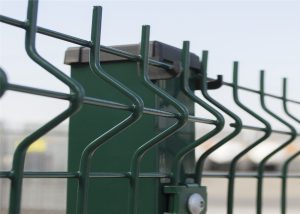

Airport Fence systems play a critical role in protecting airport boundaries, restricted areas, logistics zones, and aviation infrastructure. For importers, contractors, distributors, engineering procurement teams, and project buyers, choosing the right airport fencing solution is not only about physical separation—it is about long-term security, durability, installation efficiency, and reliable supply.
As a global trading and manufacturing-oriented supplier, we support B2B buyers with airport perimeter fence solutions based on project requirements, material preferences, site conditions, and target market standards. Whether you are sourcing for airport expansion, perimeter upgrade, air cargo facilities, or industrial aviation zones, a well-designed fencing system can help reduce unauthorized access risks while maintaining a professional and durable perimeter barrier.
What Is an Airport Fence?
An Airport Fence is a perimeter security fencing system designed to separate airport-controlled areas from public access zones, nearby roads, industrial areas, agricultural land, or open terrain. It is commonly used around runways, taxiways, terminals, cargo areas, maintenance zones, fuel storage facilities, and other restricted airport infrastructure.
Unlike ordinary boundary fences, airport fencing usually requires higher attention to:
Anti-climb performance
Fence height and rigidity
Corrosion resistance
Visibility and patrol inspection
Compatibility with gates, posts, and security accessories
Long-term outdoor durability
Efficient installation for large perimeter projects
Depending on the project design, airport security fencing may be made from welded mesh panels, chain link mesh, expanded metal mesh, or other metal fence structures. The final specification should be selected based on security level, local regulations, climate, budget, and installation method.
Why Airport Perimeter Fence Quality Matters
Airport perimeter security is a long-term investment. A weak or poorly specified fence can lead to higher maintenance costs, delayed project delivery, or security vulnerabilities. For B2B buyers, quality should be evaluated from both product and supply perspectives.
A reliable airport perimeter fence should offer:
Strong structural stability
Resistance to cutting, bending, and climbing
Durable surface treatment for outdoor use
Consistent panel dimensions and mesh openings
Suitable post and fixing systems
Safe packaging for long-distance transportation
Clear communication on drawings, packing, and shipment details
For engineering procurement contractors and airport project suppliers, consistency is especially important. Fence panels, posts, gates, clamps, bolts, and other accessories should be matched properly to reduce installation issues on site.
Common Types of Airport Security Fencing
Different airport projects may require different fence designs. The following are common options used for airport boundary fence and aviation facility protection.
Welded Mesh Airport Fence
Welded mesh airport fence is widely used for perimeter security because of its rigid structure, clean appearance, and good visibility. The welded mesh design helps security personnel inspect the area through the fence while maintaining a strong barrier.
Typical advantages include:
Stable panel structure
Suitable for straight perimeter lines
Good visibility for surveillance
Customizable height and width
Compatible with various post designs
Available with different surface treatments
For airport projects where appearance, rigidity, and anti-climb requirements are important, welded mesh fencing is often a practical choice.
Anti-Climb Fence for Airports
Anti-climb fence for airports is designed with narrow mesh openings or enhanced structure to make climbing more difficult. It is commonly used in areas that require higher security, such as restricted zones, cargo facilities, maintenance areas, and sensitive airport boundaries.
Key features may include:
Narrow mesh spacing
Higher fence height options
Optional top extensions
Compatibility with barbed wire or razor wire where permitted
Strong fixing systems
The final anti-climb specification should be confirmed according to local safety regulations and project requirements.
Chain Link Airport Fence
Chain link airport fence is another common perimeter fencing option. It is flexible, cost-effective, and suitable for large boundary areas. It may be used for general airport perimeter control, temporary separation, or less sensitive areas.
Advantages include:
Flexible installation on uneven terrain
Suitable for long fence lines
Available in galvanized or coated finishes
Can be combined with posts, tension wire, and top security accessories
For buyers looking for economical airport fencing, chain link solutions may be considered based on the required security level.
Key Specifications to Consider Before Purchasing Airport Fence
Before requesting a quotation, B2B buyers should define the main airport fence specifications. Clear technical details help suppliers provide accurate pricing, suitable packing solutions, and production recommendations.
Fence Height
Airport fence height depends on the security level and site requirements. Higher fences are often used in restricted airport perimeters, while lower fences may be suitable for internal separation or controlled-access areas.
Mesh Opening
Mesh opening affects both visibility and anti-climb performance. Smaller openings generally improve anti-climb capability, while larger openings may reduce cost and improve visibility.
Wire Diameter or Material Thickness
Wire diameter or material thickness influences strength, rigidity, and durability. Buyers should consider the risk level of the site, wind conditions, installation environment, and expected service life.
Post Type and Spacing
Posts are essential for structural support. Common post options may include square posts, round posts, peach posts, or custom-designed posts. Post spacing should match panel dimensions and installation conditions.
Surface Treatment
Airport fencing is usually installed outdoors, so corrosion protection is important. Common surface treatments may include galvanizing, powder coating, PVC coating, or combined treatments depending on the material and buyer requirements.
Accessories
Accessories may include clamps, brackets, bolts, nuts, base plates, security toppings, gates, hinges, and locking systems. Confirming accessories early helps avoid missing components during installation.
Custom Airport Fencing for Project Requirements
Many airport projects require custom airport fencing rather than standard fence panels. Customization may be needed for height, panel width, mesh size, color, post type, gate design, packing method, or installation accessories.
We can support buyers with project-based communication and specification matching. If you have drawings, technical documents, bill of quantities, or reference photos, our team can review them and provide a suitable fencing proposal.
Common customization options include:
Fence panel height and width
Mesh size and wire diameter
Post size, thickness, and shape
Surface finish and color
Gate size and opening direction
Top security extensions
Packing style for container loading
Labeling and documentation requirements
For brand owners and distributors, product appearance and packaging may also be customized according to target market needs, subject to order details and production feasibility.
Quality Control for Airport Fence Orders
Quality control is one of the most important concerns for B2B airport fence procurement. Buyers need products that meet agreed specifications and can be installed smoothly after arrival.
A practical quality control process may include:
Checking raw material dimensions
Verifying mesh opening and wire diameter
Inspecting welding points or mesh consistency
Checking post size and hole positions
Reviewing surface treatment appearance
Confirming accessories and quantities
Inspecting packaging before shipment
For large orders, clear communication before production is essential. Buyers are encouraged to confirm drawings, samples, finish requirements, and packing details before mass production begins.
Although no verified certifications are declared here, product quality can still be managed through specification confirmation, production inspection, photo updates, and pre-shipment checking based on buyer requirements.
Packaging, Loading, and Delivery Considerations
Airport fence projects usually involve bulk shipments, so packaging and loading design directly affect transportation safety and unloading efficiency.
Common packaging considerations include:
Fence panels packed on metal or wooden pallets
Protective film or cardboard between coated panels
Posts bundled securely for container loading
Accessories packed in cartons or bags with labels
Loading plan based on container space and product size
Clear packing list for easy site checking
Delivery time depends on order quantity, customization level, surface treatment, and production schedule. For urgent airport fence orders, buyers should provide target delivery dates early so production and shipment plans can be discussed in advance.
For contractors and importers, it is recommended to confirm the following before order placement:
Required arrival date
Destination port or delivery terms
Packing method
Container loading requirements
Documentation needs
Inspection requirements before shipment
How to Choose a Reliable Airport Fence Supplier
Selecting an airport fence supplier is not only about comparing unit prices. For B2B procurement, buyers should evaluate whether the supplier can understand project requirements, provide clear specifications, and support communication from quotation to shipment.
When choosing a supplier, consider the following:
Technical Communication
A qualified supplier should be able to discuss fence height, mesh opening, wire diameter, post type, surface finish, accessories, and packaging in detail.
Customization Capability
Airport fencing projects often require non-standard specifications. A supplier should be able to work with drawings, photos, or technical requests.
Quotation Clarity
A professional quotation should clearly mention product specifications, included accessories, surface treatment, packing method, MOQ if applicable, delivery estimate, and payment terms.
Export Packaging Awareness
For international trade, packaging must protect products during long-distance transportation. Proper bundling, palletizing, and accessory packing are important.
After-Sales Support
After shipment, buyers may need packing list clarification, installation reference, replacement part support, or documentation assistance. Good communication helps reduce project risks.
MOQ, Samples, and Quotation Information
MOQ for airport fence products may vary depending on fence type, customization level, surface treatment, and production arrangement. Standard or commonly produced specifications may have more flexible order quantities, while fully customized designs may require minimum production quantities.
Samples may be available depending on the requested specification and project stage. For large airport perimeter fence projects, buyers can also request sample pieces, finish samples, detailed drawings, or product photos before confirming bulk orders.
To receive an accurate quotation, please provide as much information as possible:
Fence type or reference photo
Required height and width
Mesh opening and wire diameter
Post size and post spacing
Surface treatment and color
Quantity or total fence length
Gate requirements
Accessories needed
Destination country or port
Target delivery schedule
Application scenario and security level
If your project specification is not finalized, we can help recommend a practical airport fencing solution based on your application.
FAQ: Airport Fence Procurement Questions
1. What type of fence is best for airport perimeter security?
The best airport perimeter fence depends on the project’s security level, budget, terrain, and local requirements. Welded mesh airport fence is often chosen for rigidity and visibility, while anti-climb fence is suitable for higher-security areas. Chain link fence can be considered for long boundary sections or cost-sensitive projects.
2. Can airport fence specifications be customized?
Yes. Airport fence specifications can usually be customized, including height, panel width, mesh opening, wire diameter, post type, surface finish, color, gates, and accessories. Buyers can provide drawings, photos, or technical requirements for review.
3. What information is needed to get an airport fence quotation?
To prepare an accurate quotation, please provide fence type, dimensions, mesh size, wire diameter, post details, surface treatment, quantity, gate requirements, destination, and delivery schedule. If available, project drawings or a bill of quantities are very helpful.
4. Is galvanized or powder-coated airport fencing better?
Both options are commonly used. Galvanized fencing provides corrosion resistance, while powder coating can improve appearance and offer additional surface protection when applied properly. The best choice depends on climate, budget, visual requirements, and expected outdoor exposure.
5. Can airport fencing be supplied with gates and accessories?
Yes. Airport fencing can be supplied with matching posts, clamps, bolts, brackets, gates, hinges, locks, and optional top security accessories. It is recommended to confirm all accessory requirements before production.
6. How is airport fence packed for export shipment?
Fence panels are commonly packed on pallets, posts are bundled, and accessories are packed in labeled cartons or bags. Packaging can be adjusted based on product finish, container loading plan, and buyer requirements.
7. What is the typical lead time for airport fence orders?
Lead time depends on order quantity, customization, material availability, surface treatment, and production schedule. Buyers should provide the required delivery date early so the production and shipping plan can be discussed.
Image ALT Text Suggestions
Airport Fence welded mesh panels for perimeter security
Airport perimeter fence with metal posts and security mesh
Custom airport security fencing for boundary protection
Export packaging for airport fence panels and accessories
Anti-climb airport fence solution for restricted areas
Recommended Internal Link Anchor Text
Perimeter Security Fence Solutions
Welded Mesh Fence Products
Custom Metal Fence Manufacturing
Industrial Security Gate Options
Request a Fence Quotation
Recommended Internal Link Positions
Link to Perimeter Security Fence Solutions in the introduction section when mentioning perimeter protection.
Link to Welded Mesh Fence Products under the “Welded Mesh Airport Fence” section.
Link to Custom Metal Fence Manufacturing under the customization section.
Link to Industrial Security Gate Options when discussing gates and accessories.
Link to Request a Fence Quotation in the final CTA module.
Request an Airport Fence Quotation
If you are sourcing Airport Fence for an airport perimeter, cargo facility, aviation industrial zone, or infrastructure project, we can help you review the specifications and prepare a suitable quotation.
Please send us your requirements, including fence height, mesh size, wire diameter, post type, total quantity or perimeter length, surface treatment, gate needs, application scenario, target market, and delivery schedule.
You may also request:
A price quotation
Product catalog
Sample arrangement
Custom airport fencing proposal
Packing and loading suggestion
Specification review based on drawings or photos
Contact us today to discuss your airport fence project and receive a professional B2B sourcing response.